Funding a pension out of the business
For most owners this is the single largest planning decision available, and the relief available rises with age. We work out what the business can spare consistently and what that is actually worth to you.
Working for yourself means nobody is building a pension behind you, nobody pays you when you cannot work, and the bill tends to arrive in one piece. The calculator has shown you the bill. The planning around it is where the difference actually gets made.
A no-obligation, free discovery call with a Pathway planner. Nothing is sold on it.

The number in front of you is what the business produced and what Revenue will look for from it. That is the right starting point and it is not the interesting part. The interesting part is what the same figures allow you to do before the position is settled.
Pension contributions can qualify for Income Tax relief up to an age-related percentage of earnings, and that percentage rises as you get older.
| Age | Maximum percentage of earnings |
|---|---|
| Under 30 | 15% |
| 30–39 | 20% |
| 40–49 | 25% |
| 50–54 | 30% |
| 55–59 | 35% |
| 60 or over | 40% |
Source: Revenue, Tax relief limits on pension contributions, published 22 October 2025.
Two things sit behind that table. The maximum earnings taken into account when calculating the relief is €115,000 a year. And the relief is claimed rather than handed to you: a self-employed person signs into Revenue Online Service and claims through the pension-relief section of the Income Tax Return, the Form 11.
Beyond the pension, most owners we meet have the same two gaps. Nothing set aside for the bill until it is nearly due, and no cover for the one event the business genuinely cannot absorb, which is the owner being unable to work. Both are ordinary business owner planning, and both are cheaper to fix early.
Not sure how much the business can spare? That is exactly what the first call is for.
Four things worth putting in place once you can see the numbers.
For most owners this is the single largest planning decision available, and the relief available rises with age. We work out what the business can spare consistently and what that is actually worth to you.
A tax bill that arrives as a surprise is a cash-flow problem rather than a tax problem. We help you set money aside as you earn so it lands as a transfer instead of a scramble.
There is no employer sick pay sitting behind you. Income protection and life cover are what keep the household running if you cannot work, and they are the cover owners most often skip.
Owners tend to run two sets of finances that never get looked at together. We put them beside each other, because the decisions in one drive what is possible in the other.
A short call will tell you which of these to start with.
Pathway was built by two planners who believe advice should be clear, honest and genuinely on your side.
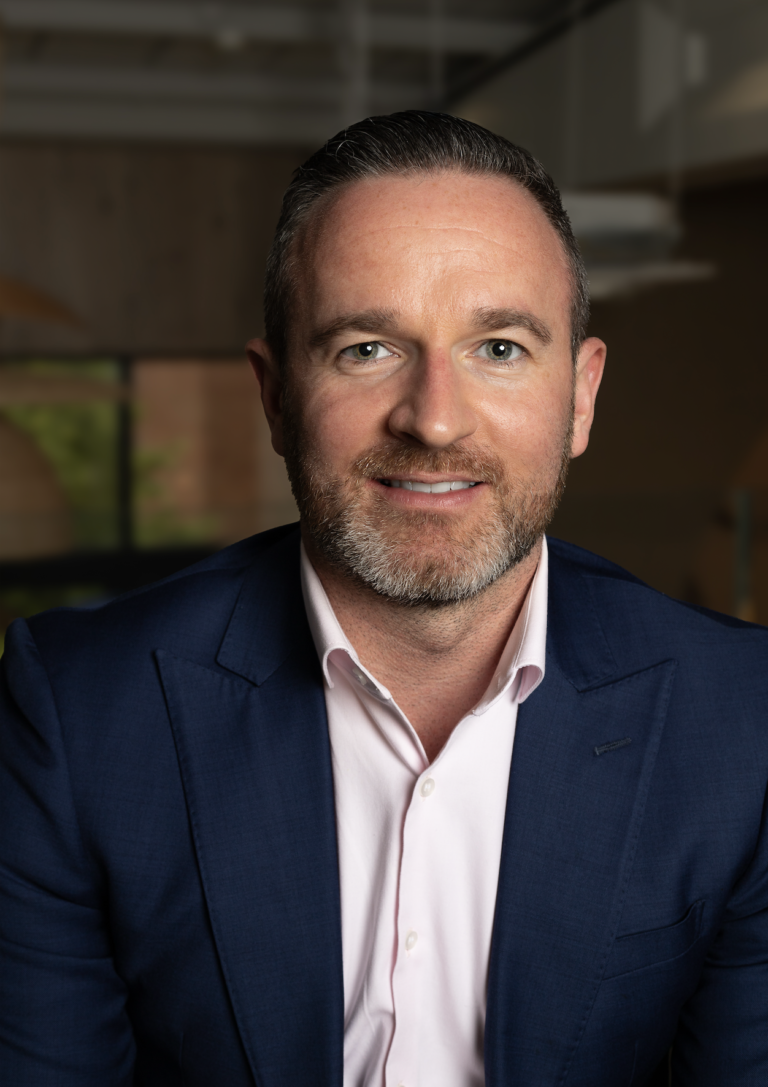
Director & Financial Planner
QualificationsCFP®, BBM, QFA, RPA, SIA
Paul is driven by making a tangible difference in clients' lives, and takes real satisfaction in knowing his work supports individuals and their families through decisions that are rarely straightforward.

Director & Financial Planner
QualificationsQFA, RPA, SIA, BBS
A natural problem solver, Anthony thrives on finding the real challenge, working out how to resolve it, and putting the solution in place alongside the client.
Both calls are free and without obligation.
Three plain stages, at your pace. You can stop after any one of them.
Twenty minutes or so, by phone or video. You tell us how the business is structured and what you are trying to sort out. Nothing is sold on that call.
If it makes sense to go further, we go through what the business earns, what you draw, what pension and cover already exist, and what the household actually needs.
You get our findings written down, with the options set out clearly and what each one would mean for you. What you do with it is entirely your decision.
It starts with the short call. Nothing is sold on it.
The ones that come up most often when an owner sees the bill.
It is an estimate produced from what you entered, and how close it lands depends on how complete your expenses and allowances were. Your accountant produces the actual return. What we do is the planning that changes the position rather than reports it.
There is a limit and there is a sensible figure, and they are rarely the same. It depends on what the business can spare consistently, what you have already built, and when you want the option of stopping.
The earlier in the year, the more options are open. If you are looking at a bill now, the one worth changing is next year's, and that work starts well before it is due.
No. Your accountant handles the returns and the compliance. We handle the planning around them, and both work considerably better when the two are talking to each other.
Nothing. It is a no-obligation, free discovery call. If we go further than that, we set out clearly what the work involves and what it costs before you commit to anything.
A different question? Ask us directly and we will give you a straight answer.
Bring the figure you calculated and a sense of how the business is running. We will tell you plainly what we think, and what we would look at first.
Or email info@pathwayfinman.ie
APFM Limited, trading as Pathway Financial Management, is regulated by the Central Bank of Ireland. Registered in Ireland No. 759815. Directors: Paul McGrane, Anthony Richardson.
Warning: The value of your investment may go down as well as up.
Warning: These figures are estimates only. They are not a reliable guide to future performance of this investment.
This page is general information about financial planning. It is not personal financial advice and does not take account of your own circumstances. Tax treatment depends on individual circumstances and may change.